From the journal · November 12, 2026
Best Sunscreen for Oily Skin: What to Look For in 2026
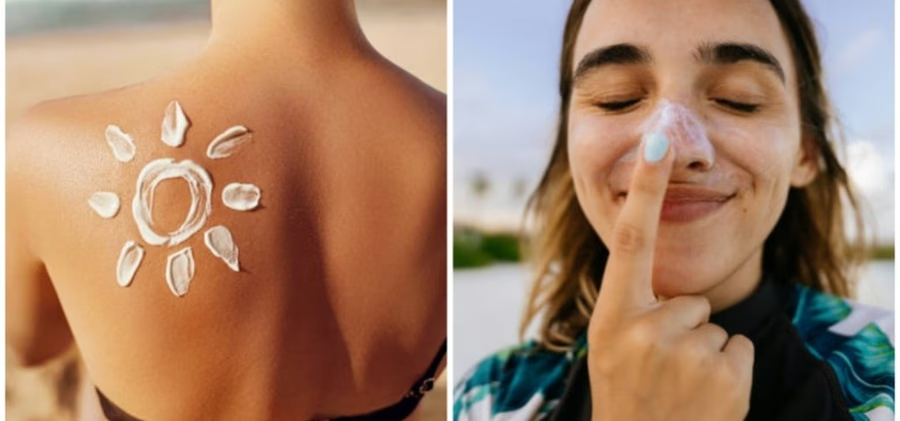
You apply sunscreen at 8 a.m. By 11, your face looks like it’s been polished with ghee. So you skip sunscreen the next day, then the day after, and soon it’s “I don’t need it, my skin is oily anyway.”
I’ve heard this from so many friends. And honestly, I understand the frustration. A greasy sunscreen is the quickest way to make anyone give up.
Related reading: Best Moisturizer for Dry Skin: What to Look For in 2026 · Skincare Routine for Oily Skin: What Actually Works in 2026
But here’s the catch: oily skin still burns, tans, and gets dark spots. The trick is finding the best sunscreen for oily skin, one that feels light, sits well under makeup, and doesn’t clog pores. Here’s how to choose it. [link to related guide on skincare routine for oily skin here]
Why Oily Skin Still Needs Sunscreen
Quick answer: Oily skin needs sunscreen because UV rays cause tanning, dark spots, premature ageing, and skin cancer risk regardless of skin type. Skipping it can also worsen acne marks. The best sunscreen for oily skin is lightweight, oil-free, non-comedogenic, and at least SPF 30.
Oil isn’t protection. It doesn’t block UV.
In India, UV levels are high for most of the year, even on cloudy or monsoon days. Tanning, pigmentation, and uneven tone are among the most common complaints I hear.
If you struggle with acne marks, sunscreen matters even more. Sun exposure can darken those spots and make them last longer.
What Makes the Best Sunscreen for Oily Skin?
Quick answer: Look for a sunscreen labelled “oil-free,” “non-comedogenic,” or “matte finish,” with SPF 30-50 and broad-spectrum (PA+++ or higher) protection. Gel, fluid, and water-based textures usually suit oily skin better than thick creams.
Here’s your quick checklist:
- SPF 30 to 50: Enough for daily use. Higher isn’t dramatically better.
- PA+++ or PA++++: Shows UVA protection, important in India.
- Broad-spectrum: Covers both UVA and UVB.
- Light texture: Gel, fluid, or serum-like.
- Non-comedogenic: Less likely to clog pores.
Skip heavy, creamy formulas and anything with lots of added oils. They tend to feel suffocating on oily skin.
Chemical vs Mineral Sunscreen
This is where people get confused.
Mineral (physical) sunscreens use zinc oxide or titanium dioxide. They sit on top of the skin and reflect UV. They can be good for sensitive skin, but some leave a white cast, especially on deeper skin tones.
Chemical sunscreens absorb UV and convert it to heat. They’re usually lighter, with no white cast, but may irritate very sensitive skin or sting around the eyes.
My honest take? For oily skin in India, many people find modern chemical or hybrid formulas easier to wear daily, mostly for texture. But if your skin is sensitive or acne-prone, a mineral or hybrid might be kinder. Try both types if you can, in small sizes.
Textures and Finishes That Work
Picture a college student in Jaipur biking to class in May heat. She needs something that won’t melt off her face by noon.
For her, a gel or water-based sunscreen with a matte finish is probably the winner. Fluid textures also work well. Sunscreen sticks are handy for touch-ups over makeup.
Avoid very dewy or oily “glow” sunscreens unless you like shine. They’re lovely on dry skin, but not on a hot afternoon with an oily T-zone.
Always patch test a new product behind your ear or on your jawline for a day or two.
How to Apply Sunscreen Properly
Even the best product fails when it’s applied wrong.
Use about two finger lengths of sunscreen for face and neck. That’s the amount that gives you the SPF on the label. A tiny dab won’t do.
Apply it as the last step of your morning skincare, before makeup. Wait a couple of minutes for it to set.
Reapply every 2-3 hours if you’re outside. At a desk job? Once in the morning is usually fine, unless you’re near a window with direct sun.
For reapplying over makeup, try a sunscreen stick, a powder with SPF, or a mist. Not perfect, but better than skipping.
Mistakes People Make
I see these all the time.
Skipping sunscreen on cloudy days. UV still gets through.
Using too little product. Then wondering why they tanned.
Believing makeup with SPF is enough. It usually isn’t, because most people apply far less than needed.
Choosing a sunscreen based on trends. What works for someone’s dry skin may feel awful on yours.
And please don’t layer heavy moisturizer under sunscreen if your skin is oily. A light gel is plenty.
Budget Tips for Indian Buyers
Good sunscreens don’t have to be pricey.
In India, solid options generally range from ₹300 to ₹900, depending on the brand and size. Pricier doesn’t automatically mean better. Check the label for SPF, PA rating, and ingredient list.
Buy a small tube first. Wear it for a week and see how your skin responds. Look at reviews from people with oily or acne-prone skin, ideally similar to your skin tone and climate.
Check the expiry date, and store it away from direct heat. A bottle left in a hot car goes off quickly.
If your skin reacts, stop using it and see a dermatologist.
FAQs
Which sunscreen is best for oily skin in India?
Look for a lightweight, oil-free, non-comedogenic gel or fluid with SPF 30-50 and PA+++.
Can oily skin skip sunscreen?
No. UV damage affects every skin type.
Does sunscreen cause pimples?
Heavy or comedogenic formulas can. Choose non-comedogenic ones and remove them properly at night.
Is SPF 50 better than SPF 30?
Slightly, but proper application and reapplication matter more.
Should I use a moisturizer before sunscreen?
Yes, a light one. Some gel moisturizers also work fine as a base.
How do I remove sunscreen at night?
Use a gentle cleanser, or double cleanse if you wore makeup or water-resistant sunscreen.
Conclusion
Finding the best sunscreen for oily skin comes down to texture, labels, and consistency. Look for oil-free, non-comedogenic, broad-spectrum SPF 30-50 with PA+++, in a gel or fluid finish you actually enjoy wearing.
In 2026, don’t let a bad experience stop you from protecting your skin. Buy one small tube this week, apply two finger lengths every morning for a month, and watch how your skin looks and feels.
Want more guidance? Read our skincare routine for oily skin guide [link to oily skin routine guide here] or our budget skincare picks [link to skincare shopping guide here].
Suggested image alt text:
- “Woman applying lightweight gel sunscreen, the best sunscreen for oily skin, in the morning”
- “Two finger lengths of sunscreen on hand showing the right amount for face and neck”
- “Matte finish sunscreen tubes and fluid textures suitable for oily skin”
Internal link spots: skincare routine for oily skin (intro), oily skin routine guide (conclusion), skincare shopping guide (conclusion).